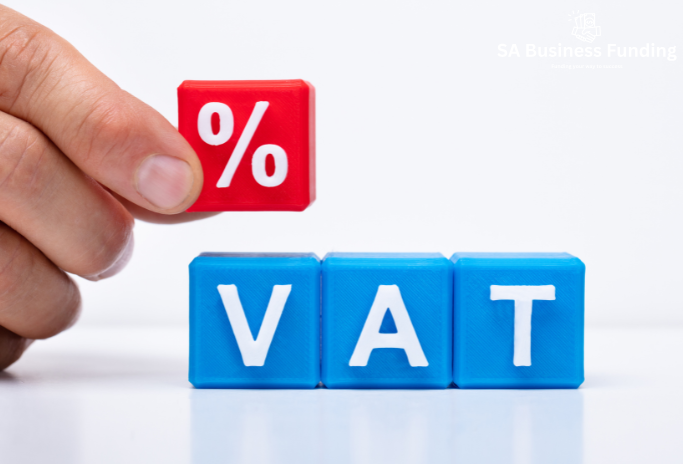
For 16 long years, South African small business owners have been trapped by a stagnant R1 million VAT threshold. Thanks to inflation, micro-enterprises that had no business dealing with complex tax admin were dragged into the SARS VAT net.
But the February 2026 Budget Speech changed everything. Finance Minister Enoch Godongwana announced that, effective 1 April 2026, the compulsory VAT registration threshold in South Africa will more than double from R1 million to R2.3 million.
If your business turns over less than R2.3 million a year, you now have a massive decision to make: Do you deregister and enjoy the admin relief, or do you stay in the system?
Stop guessing. Start building.
We've built a free Business Idea Generator Tool that walks you through this exact framework and generates a professional Validation Report.
Access the Free ToolHere is everything South African SMEs need to know about the new VAT threshold, the hidden traps of deregistration, and how to make the smartest financial choice for your business.
What Exactly Changed in the 2026 Budget Update?
Before you make any sudden moves on eFiling, let’s look at the exact numbers that changed:
-
Compulsory Registration: Jumped from R1 million to R2.3 million in any consecutive 12-month period.
-
Voluntary Registration: The minimum turnover required to register voluntarily increased from R50,000 to R130,000.
How to calculate your annual turnover for SARS
This policy shift is designed to ease the compliance burden on small businesses, saving you thousands of Rands in accounting fees and countless hours of admin. But before you rush to cancel your VAT number, you need to understand the financial catch.
The “Deemed Supply” Trap: The Hidden Cost of Deregistering
This is the biggest mistake SMEs will make in 2026. Deregistering for VAT is not just a simple paperwork exercise—it is a “tax event.”
Free Tools Mentioned
Access our interactive calculators to simulate your specific business numbers.
Unlock All Tools FreeUnder Section 8(2) of the Value-Added Tax Act, when you cease to be a VAT vendor, SARS deems that you have “supplied” (sold) all your enterprise assets to yourself immediately before deregistration.
What does this mean for your cash flow? You will be required to pay 15% output VAT on the lower of the cost or market value of all assets still in your business. This applies even though you haven’t actually sold them and no cash has changed hands.
Assets that trigger this “nasty VAT surprise” include:
-
Unsold trading stock sitting in your warehouse.
-
Machinery, computers, and delivery vehicles.
-
Intellectual property or contractual rights where input VAT was previously claimed.
Should You Deregister? The B2B vs. B2C Dilemma
The decision to stay or leave the VAT system comes down to who your customers are and what your expenses look like.
When to Deregister (The B2C Strategy)
If you sell directly to everyday consumers (B2C), deregistering is usually a massive win.
-
Better Pricing: Private consumers cannot claim VAT back. By deregistering, you can drop your prices by 15% and instantly undercut your VAT-registered competitors.
-
Alternatively, Higher Margins: You can keep your prices exactly the same, stop paying 15% over to SARS, and pocket the difference as pure profit.
-
Lower Admin Costs: Say goodbye to bi-monthly VAT returns and expensive bookkeeping fees.
When to Stay Registered (The B2B Strategy)
If you operate in the business-to-business (B2B) space, deregistration could actually hurt you.
-
Corporate Clients Expect It: Large corporations prefer dealing with VAT-registered vendors so they can claim the input VAT on your invoices. If you deregister, you effectively become 15% more expensive to them.
-
High Input Costs: If your business buys a lot of stock, materials, or equipment, staying registered allows you to continue claiming back the 15% input VAT on your expenses.
How to Deregister for VAT in South Africa
If you’ve weighed the “deemed supply” costs against the long-term admin savings and decided to exit the VAT system, the legal process is straightforward:
-
Wait for the Effective Date: The new rules only apply from 1 April 2026. Do not apply prematurely.
-
Submit the Form: You must submit a VAT123e form to SARS via your eFiling profile.
-
Prepare for an Audit: SARS frequently triggers a verification or mini-audit when a business deregisters. Ensure your last 5 years of logbooks, invoices, and bank statements are easily accessible.
-
Settle the Final Bill: Calculate and pay any outstanding output VAT, including the tax on your retained assets.
Don’t Let the Tax Tail Wag the Business Dog
The new R2.3 million threshold is the biggest win for South African small businesses in over a decade. It removes an artificial ceiling that was punishing entrepreneurs for growing.
However, don’t rush the exit. Review your asset register, calculate your potential exit tax, and look at your customer base. If the math makes sense, deregister and redirect those accounting fees straight into your marketing budget!
Need Startup Capital?
If your business is already trading, check your eligibility for up to R5M in unsecured funding.
Check Eligibility